12 November 2026
What to Do When Your Car Key Breaks or the Lock Freezes in a Toronto Winter
Presented by @roadsidekeynotes
A Toronto winter can be tough on car locks and keys. Freezing temperatures, ice, and snow can turn a simple lockout into a stressful situation, especially if a key breaks off inside the lock or the mechanism freezes solid. Knowing what to check in the moment can save you time, frustration, and potentially expensive repairs. This article walks through the common problems that lead to a winter car lockout and what you can do about each one, so you can decide your next step with a clear head.
Check the Lock for Ice or Frost
When the temperature drops below freezing, moisture inside the keyhole can turn into ice. This prevents the key from sliding in fully or turning at all. Before assuming the key is broken or the lock is damaged, look closely at the keyhole. If you see frost or a thin layer of ice, you may be dealing with a frozen lock rather than a mechanical failure. In that case, a gentle application of heat can help. Use a hair dryer on a low setting, or hold the key with a pair of pliers and warm it with a lighter for a few seconds before inserting it. Do not pour hot water on the lock, as the water can refreeze and make the problem worse. If your key still will not turn after warming the lock, the issue may be deeper inside the cylinder. This is where a mobile car locksmith can assess the lock without damaging the door or the ignition.
Examine the Key for Damage
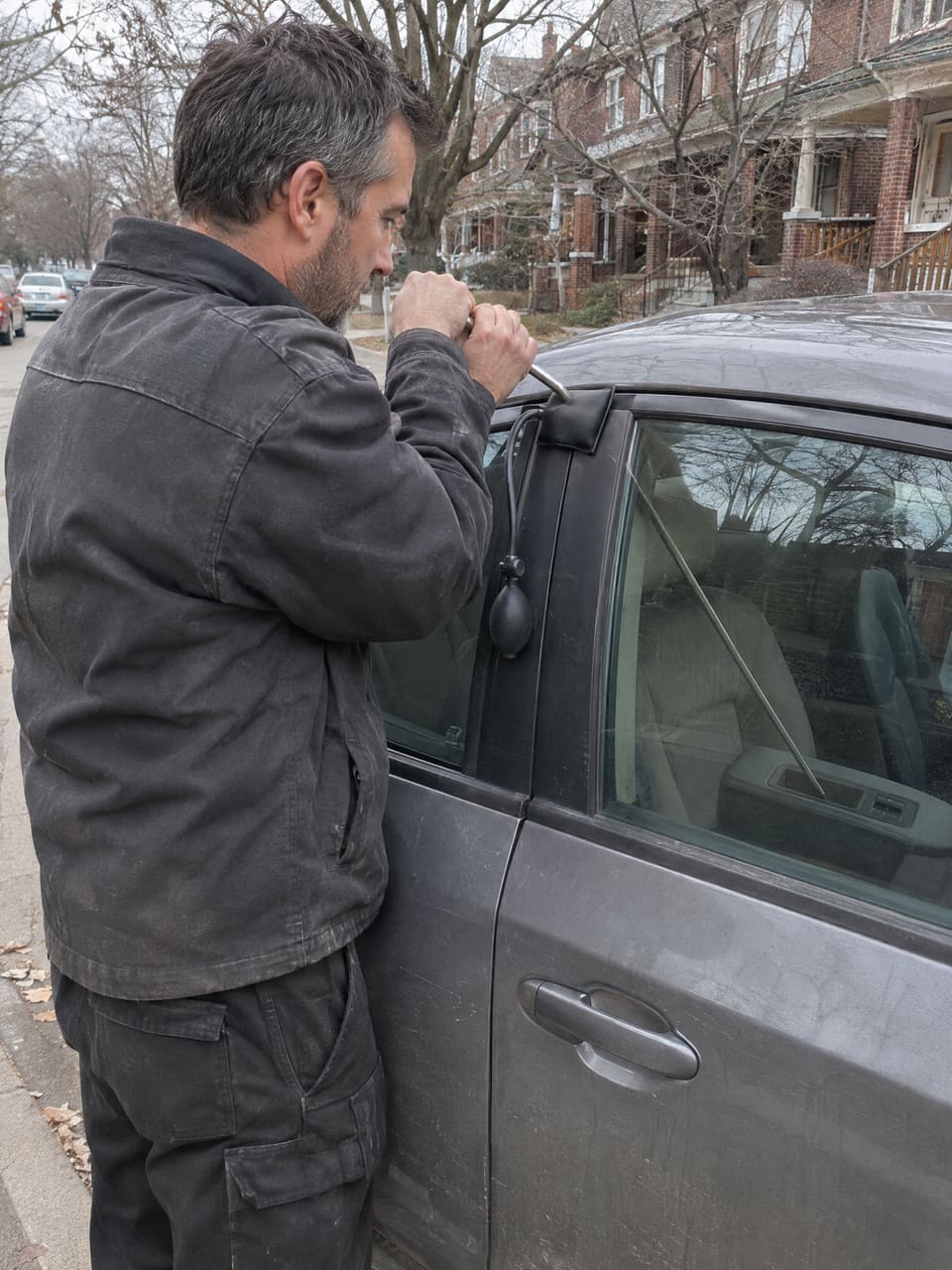
A key that is bent, worn, or cracked can snap off inside the lock with little warning. In winter, metal contracts in the cold, making keys more brittle. If you are having trouble turning the key, stop and inspect it. Look for hairline cracks, bending at the tip, or worn teeth. If the key looks suspect, do not force it. Forcing a weak key is the fastest way to break it off inside the cylinder. If the key does break, the remaining piece inside the lock will block any other key from working. A locksmith with key extraction tools can remove the broken piece, often without taking the lock apart. Keep in mind that a broken key in the lock is different from a key that simply will not turn. If the key snaps, you need a professional who specializes in extraction. That is where the term "broken key locksmith" comes into play, it refers to a service that deals specifically with keys that have snapped off in the lock or ignition.
Test the Key Fob and Battery
Many modern cars use a key fob for remote entry. In cold weather, the battery inside the fob can lose power quickly. A dead key fob may not unlock the doors electronically, even if the mechanical key works fine. If your fob is unresponsive, try using the physical key hidden inside it (most fobs have a release mechanism). If the physical key turns but the door still will not open, the issue could be a frozen latch or a dead fob battery. Replace the fob battery with a fresh one and keep the old one as a backup. For cars with push-button start, a dead fob can also prevent the engine from starting, even if the key turns in the ignition cylinder. If the fob is the problem, you can often still get into the car manually and then use the start button with the fob held close to the sensor. If that does not work, the vehicle may need a locksmith who can bypass the electronic lock without damage.
Check the Door Seal and Weatherstripping
In freezing rain or heavy snow, the rubber seal around the car door can freeze to the door frame. This is not a lock problem, but it can feel like one. If the key turns freely but the door will not open, the seal may be stuck. Gently push or pull the door handle while applying steady pressure. Do not yank it, as that can tear the rubber or damage the latch. A plastic scraper or a credit card can be used to break the ice between the seal and the door. If you are locked out because the door will not open, and the key works, the seal is likely the culprit. A locksmith cannot fix a frozen seal, but they can get you into the car through another door or the trunk. Once inside, you can warm the car and free the seal naturally. For future prevention, treat the rubber seals with a silicone-based lubricant before a cold snap. This keeps the rubber flexible and less likely to freeze to the metal.
Assess the Ignition Cylinder
If the key turns in the door lock but the car will not start, the ignition cylinder could be frozen or worn. This is more common in older cars with metal keys. The ignition cylinder sits deeper inside the steering column and is exposed to the elements through the keyhole. Moisture can get in and freeze, or the tumblers inside can wear down over time. If the key goes in but will not turn at all, do not force it. Forcing a frozen ignition cylinder can snap the key or damage the cylinder beyond simple repair. In this case, a mobile locksmith can apply a lock-safe deicer or lubricant that works in extreme cold. They can also extract a broken key from the ignition if it snaps. Unlike a door lock, the ignition is a more complex mechanism, so a professional with experience in ignition repairs is the safest option. If you have a spare key, try it first, sometimes a worn key is the problem, not the cylinder. If the spare also fails, then the ignition needs attention.
Use Lock Lubricant and Deicer Wisely
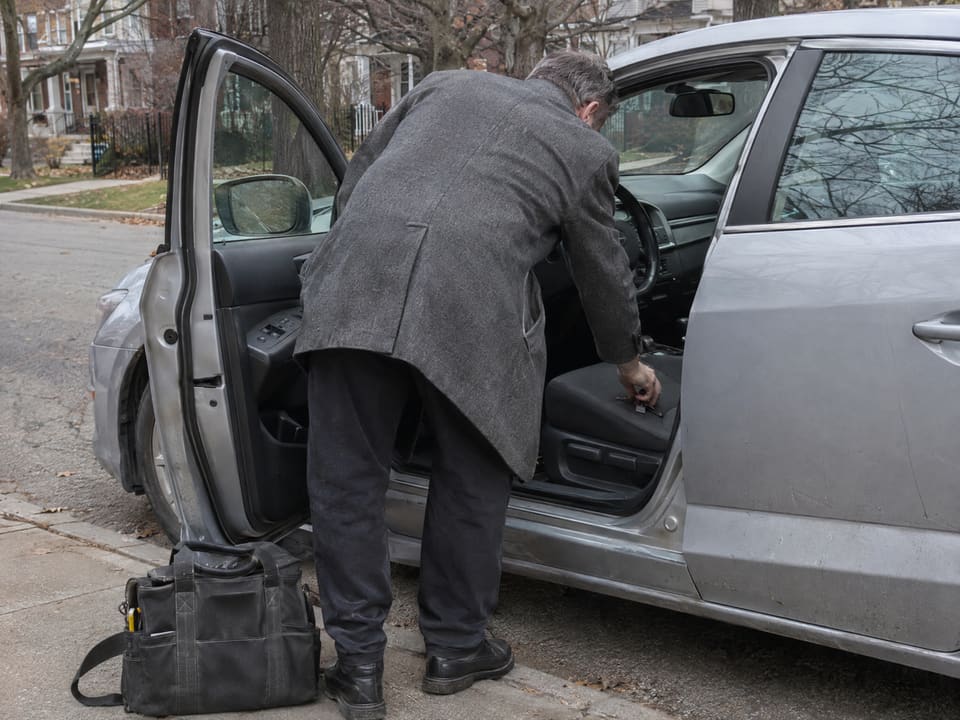
In a pinch, many drivers reach for a can of lock deicer or a lubricant spray. These products can work well if used correctly. A deicer melts ice inside the lock, while a lubricant reduces friction between the key and the tumblers. However, using the wrong product can cause more harm. For example, WD-40 is not a lock lubricant. It can dissolve existing grease and leave the lock dry, which leads to faster wear in cold weather. A graphite-based powder or a PTFE dry lubricant is safer for car locks. Apply it sparingly; too much can gum up the mechanism. If you are locked out and the lock is frozen, a deicer spray can free it quickly. But if the lock is simply cold and dry, deicer will not help. The best approach is to prevent the problem: spray a small amount of lubricant into the keyhole before winter sets in, and again after any heavy rain or car wash. This keeps moisture from settling inside. If you ever need "frozen car lock help" in a hurry, a mobile locksmith carries professional-grade deicers and can treat the lock on the spot without risk of damage. That phrase, "frozen car lock help", is exactly the kind of service that gets you back into your car fast when the temperature hits minus fifteen and your key will not budge.
Know When to Call a Professional
Not every winter lockout needs a locksmith. A frozen seal, a dead fob battery, or a slightly iced lock can often be solved with patience and the right tools. But if the key breaks, the ignition locks up, or the lock itself is damaged, a mobile locksmith is the right call. A good rule of thumb: if you have tried gentle heat, checked the fob, and inspected the key, and the lock still will not cooperate, stop. Further force can damage the door panel, the lock cylinder, or the ignition. A professional who handles car lockouts daily can assess the problem quickly and choose the least invasive method. In Toronto winters, this often means working in freezing conditions to get you back on the road without breaking a window or prying the door frame. Keep a spare key in a magnetic box under the car, but only if you are certain it will not freeze to the metal or fall off on a rough road. A better backup is a spare key in your bag or wallet. That way, if the primary key breaks or the fob dies, you have a physical backup that works with the lock.
Prevention Tips for the Rest of Winter
A little preparation goes a long way. Before the next cold snap, lubricate the door locks and ignition cylinder with a dry lubricant. Check the key fob battery and replace it if it is more than two years old. Clean the key itself, dirt and grit can accelerate wear. If your key is starting to show wear, have a copy made before it breaks. Keep a small deicer spray in the glove compartment, but remember that the can itself can freeze if the car gets too cold. Store it in an interior pocket or take it inside overnight. Finally, if you have a car with a keyless entry system, practice using the physical key while you are not locked out. Many drivers never use the backup key until they need it, and by then the lock may be stiff or unfamiliar. A few test turns in the driveway can save you a cold wait later. Winter car lockouts are rarely emergencies, but they are always inconvenient. Knowing what to check in the moment, the lock, the key, the fob, the seal, and the ignition, helps you decide whether you can fix it yourself or need a "broken key locksmith" to step in.